An International Symposium to Accelerate Innovation in Precision Psychiatry
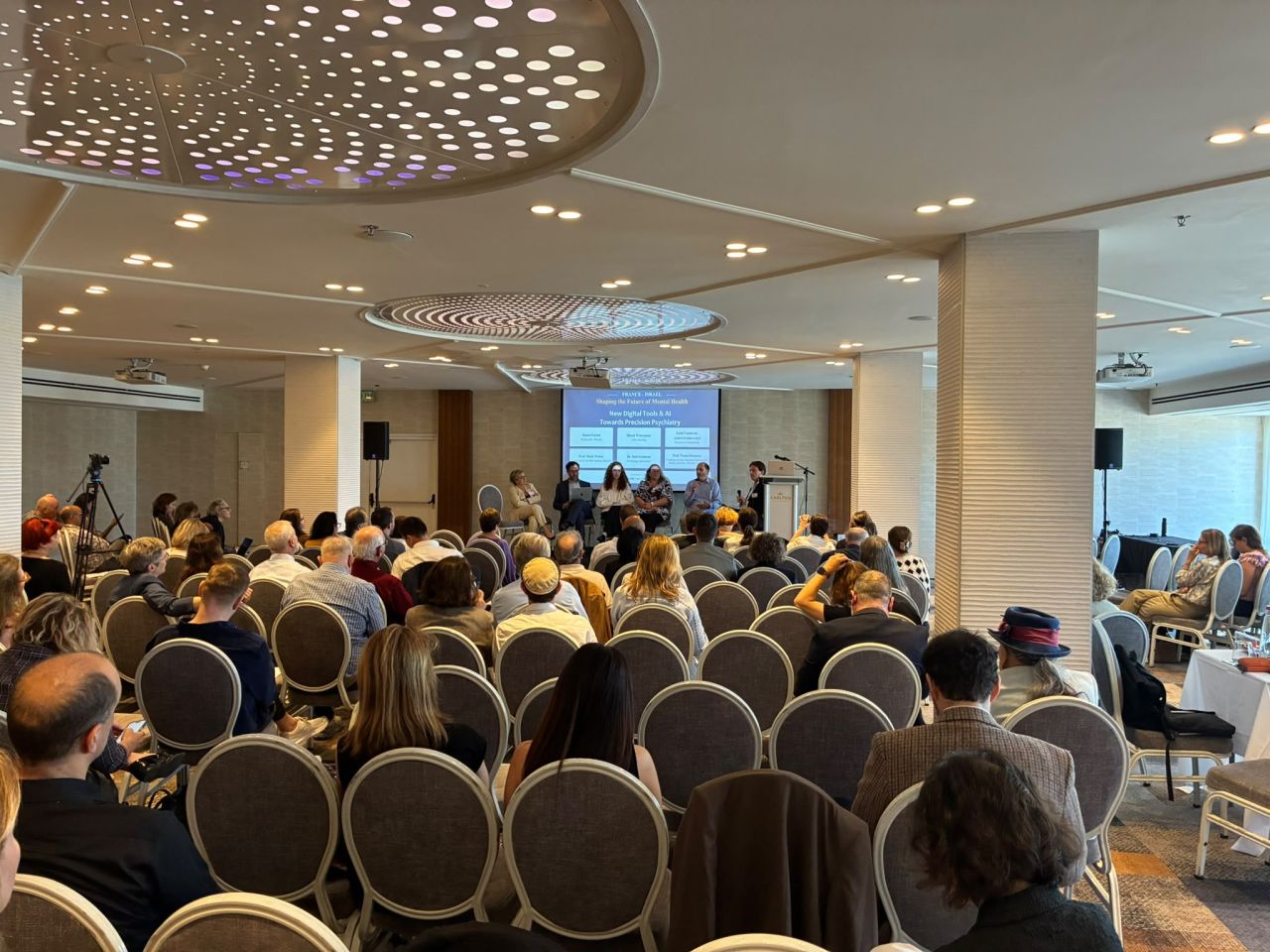
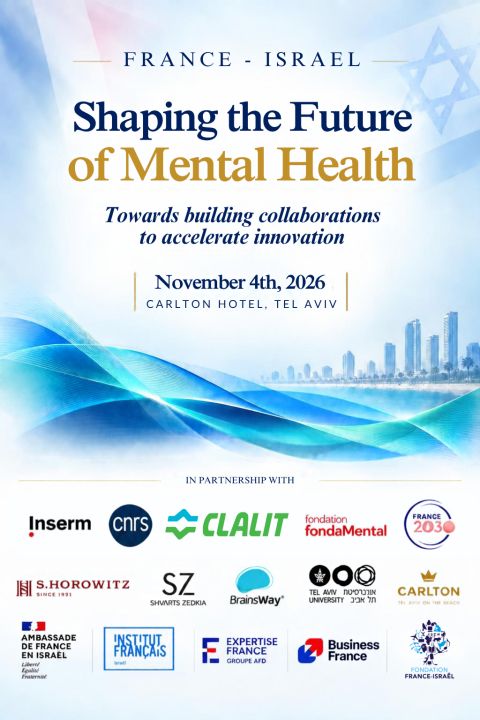
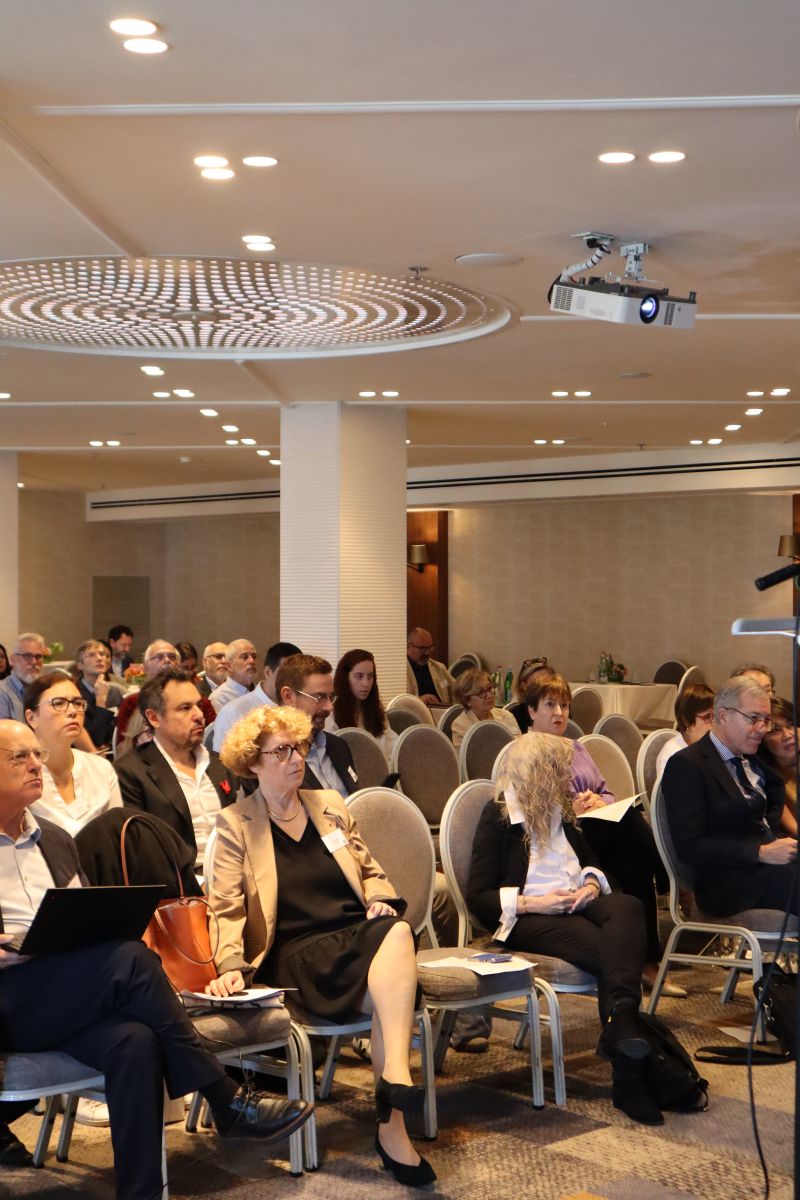
The international symposium “France-Israel: Shaping the Future of Mental Health” brought together nearly 200 French and Israeli researchers, clinicians, entrepreneurs, and policymakers around a shared ambition: strengthening scientific collaboration and accelerating innovation in mental health and precision psychiatry.
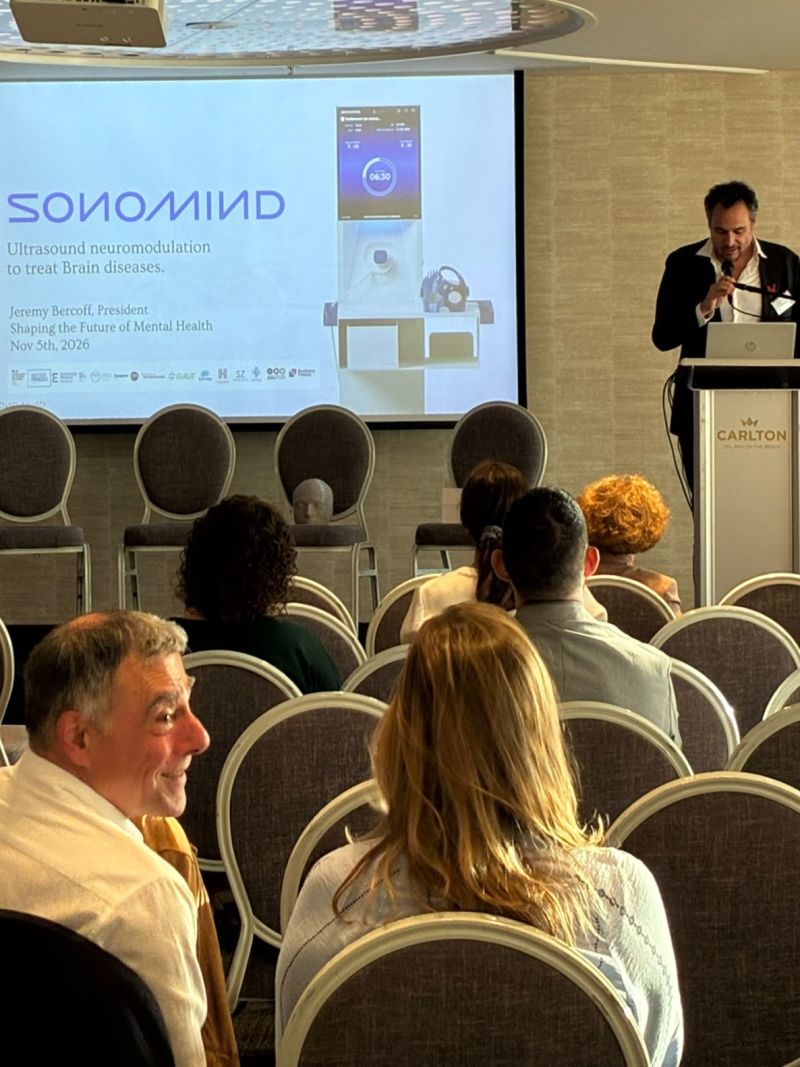
The event provided a unique opportunity to bring together the French and Israeli research, healthcare, and innovation ecosystems. Through five panel discussions and nearly 30 speakers, participants explored scientific and technological advances with the potential to transform our understanding, diagnosis, and treatment of psychiatric disorders.
The symposium is part of a broader international collaboration effort supported in particular by PEPR PROPSY and the FondaMental Foundation, with the goal of fostering new joint projects to benefit people living with mental health conditions and their families.
Precision Psychiatry at the Heart of French-Israeli Dialogue
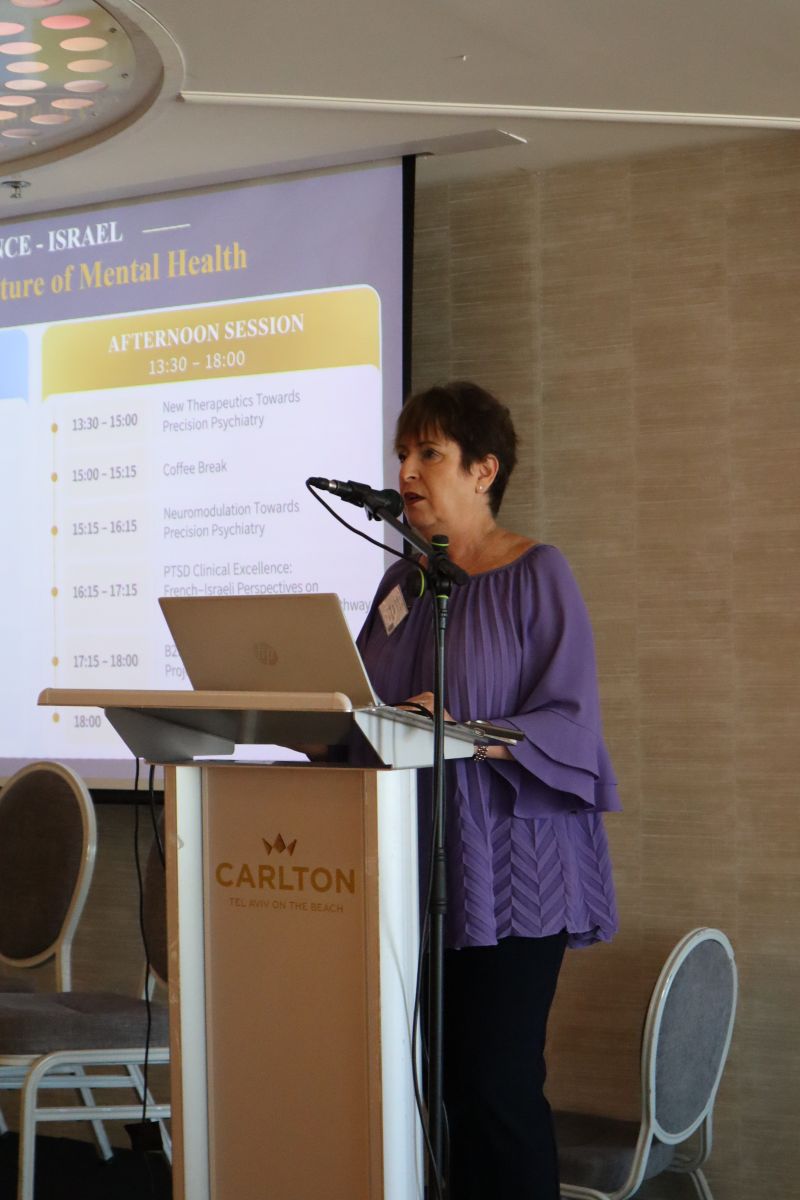
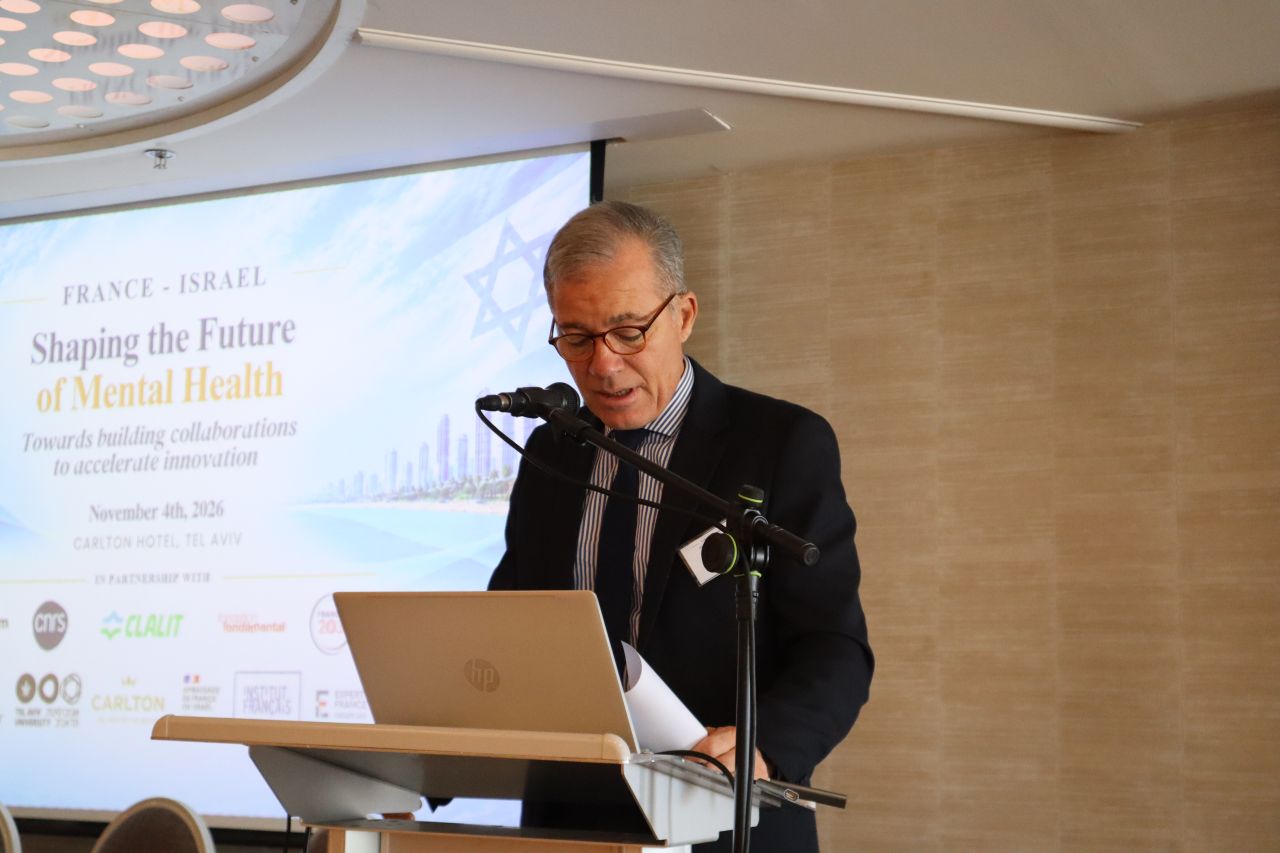
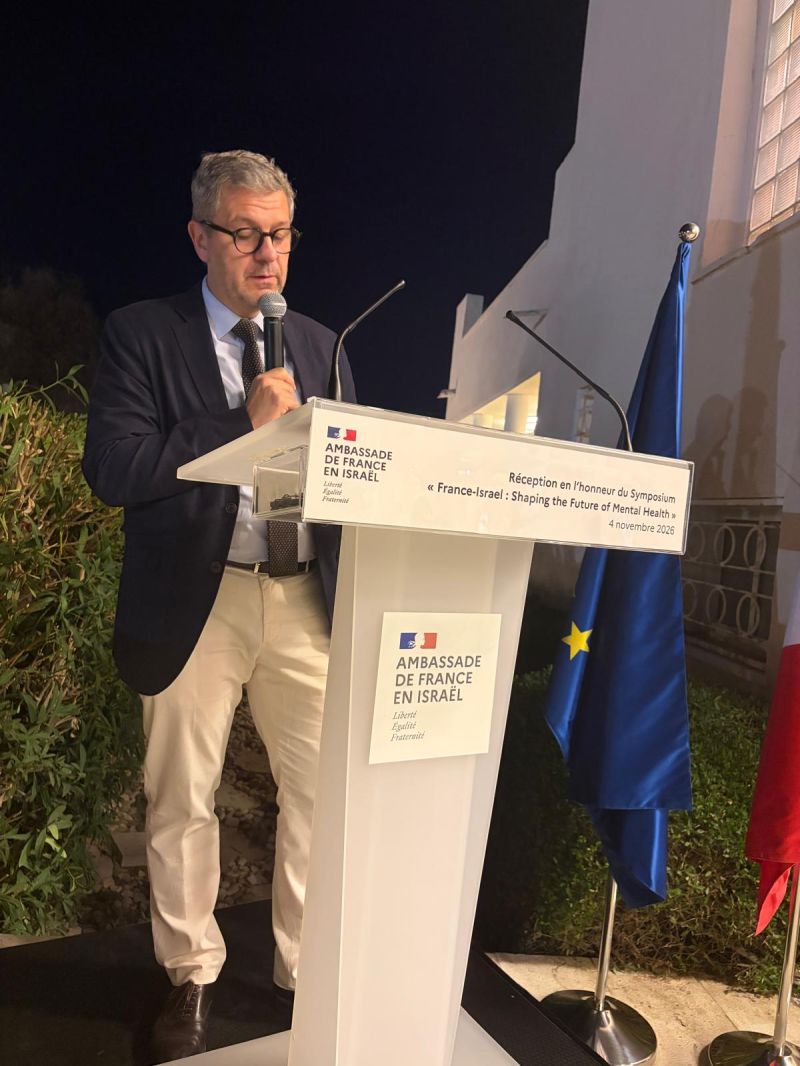
The day opened with remarks from institutional representatives from both countries, including Christophe Parisot, French Ambassador to Israel, as well as representatives from Clalit Health Services and BrainsWay.
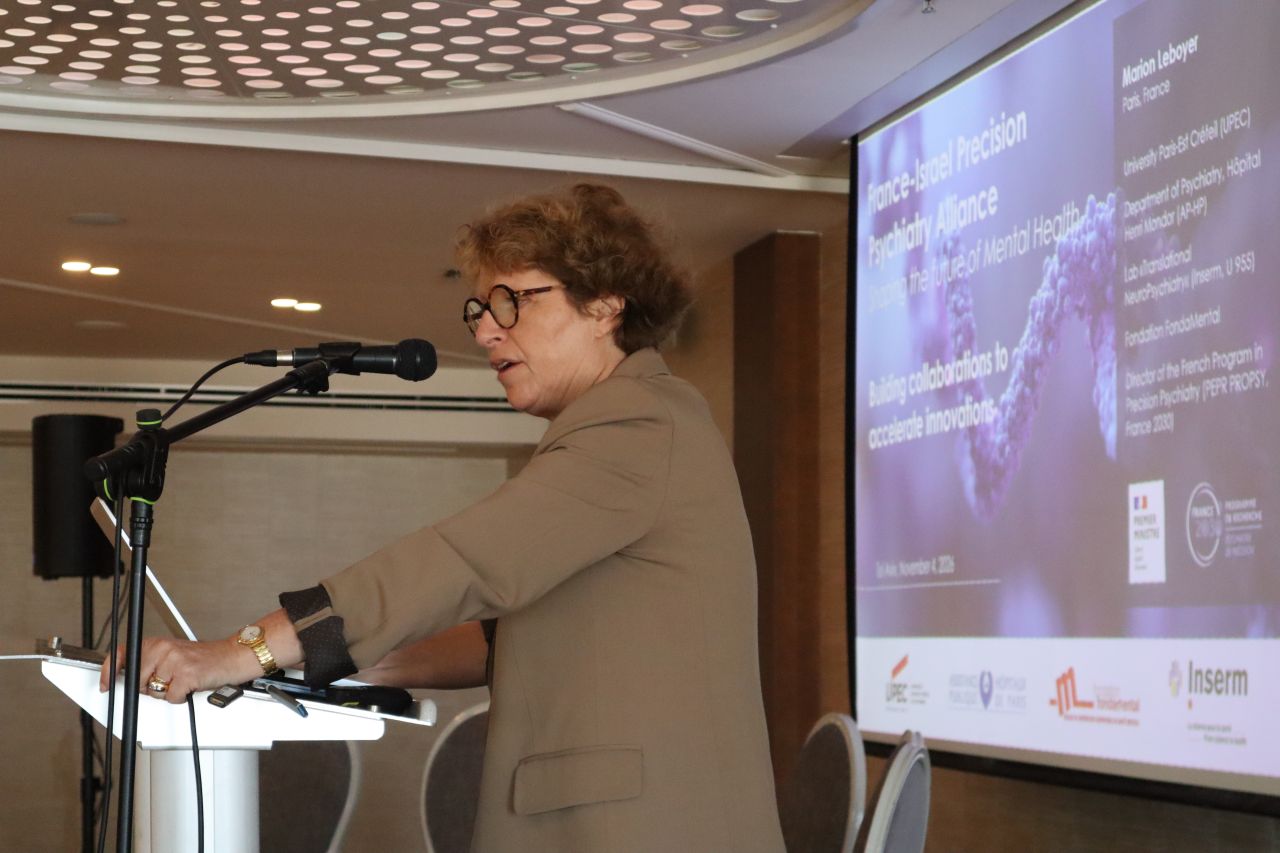
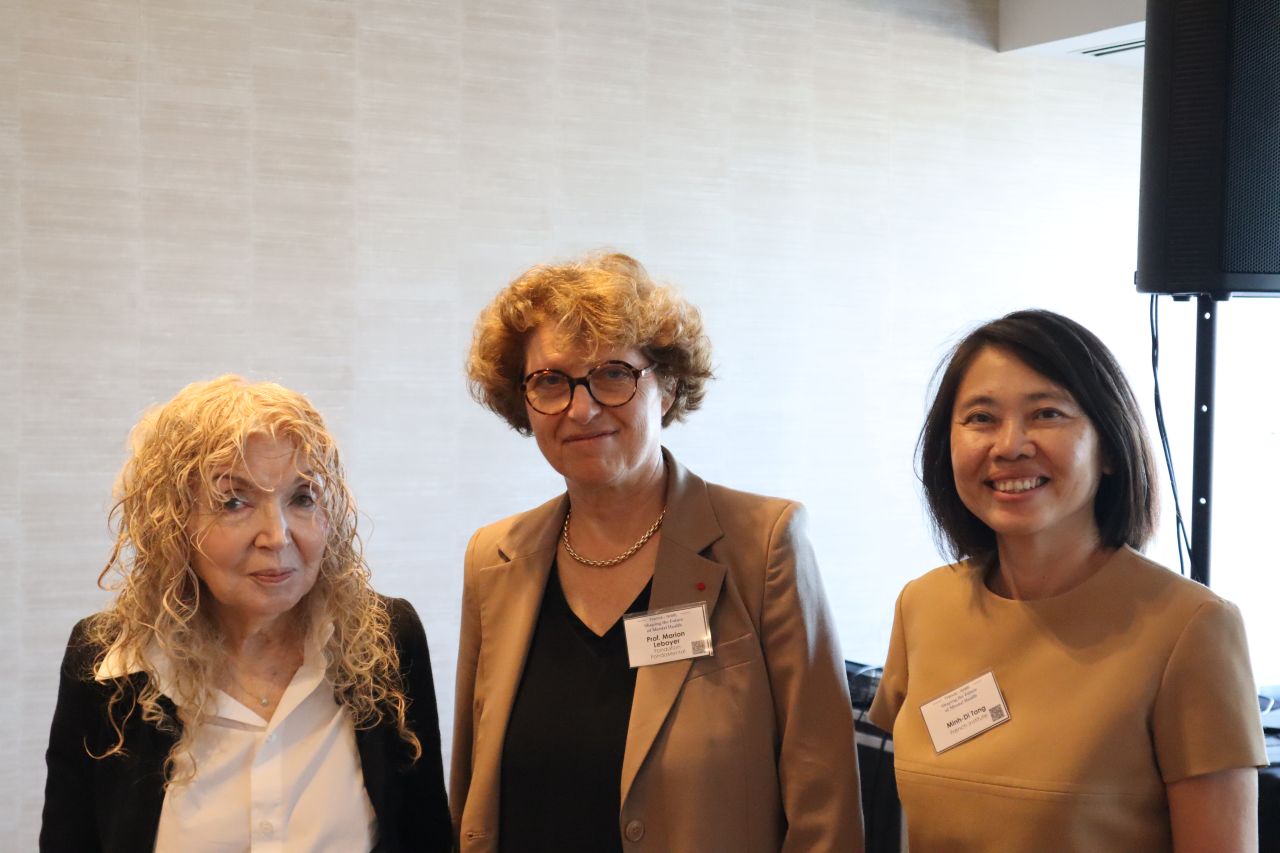
The opening presentations introduced the symposium’s objectives and highlighted advances in France’s precision psychiatry research program. Marion Leboyer, Professor of Psychiatry at Université Paris-Est Créteil, CEO of the FondaMental Foundation, and Director of PEPR PROPSY, presented the program’s goals and its approach to precision psychiatry research.
Discussions then focused on several strategic scientific and technological fields, highlighting the complementary expertise of French and Israeli teams.
Immunopsychiatry: Identifying New Therapeutic Targets
The first scientific session focused on immunopsychiatry and the links between the immune system and psychiatric disorders.
Presentations by Michal Schwartz (Weizmann Institute of Science), Laurent Groc (CNRS, Bordeaux), and David Klatzmann (Inserm, IL TOO, Paris) explored the neuroimmune mechanisms involved in psychiatric disorders, from basic research to clinical applications.
Discussions addressed potential new therapeutic targets, autoimmune processes in neuropsychiatry, and the opportunities emerging from research into neuroimmune mechanisms in autism spectrum disorder.
Artificial Intelligence, Digital Tools, and Biomarkers: Toward Better Characterization
The second session highlighted the potential of emerging technologies and artificial intelligence to advance precision psychiatry.
French and Israeli speakers presented research on the application of artificial intelligence to genomics, tools for patient stratification, and the discovery of new medications.
Applications of AI in mental health, remote monitoring of psychiatric disorders, and the development of blood-based biomarkers for diagnosing bipolar disorder were also discussed.
These innovations offer significant opportunities to better characterize psychiatric conditions, identify distinct biological and clinical profiles, and tailor therapeutic strategies to individual needs.
New Therapeutic Approaches: Expanding Treatment Strategies
The afternoon focused on emerging therapeutic approaches in precision psychiatry.
Discussions covered metabolic psychiatry and the identification of new diagnostic and therapeutic targets, as well as innovations in autism spectrum disorder, ranging from genetics to potential future treatments.
This session also provided an opportunity to showcase several industry-led and research initiatives aimed at developing new therapeutic strategies.
Neuromodulation: Toward Increasingly Targeted and Personalized Interventions
Neuromodulation was another major focus of the symposium.
Presentations explored several innovative approaches, including targeted modulation of hippocampal networks to reduce intrusive memories in post-traumatic stress disorder (PTSD), deep brain stimulation for obsessive-compulsive disorder (OCD), and the use of ultrasound in psychiatric disorders.
These studies illustrate the development of therapeutic strategies that more precisely target the brain circuits involved in psychiatric conditions, with the goal of delivering treatments better tailored to each individual’s characteristics.
PTSD: Bringing Together French and Israeli Clinical Expertise
The final scientific session focused on post-traumatic stress disorder (PTSD), offering complementary perspectives on hospital-based practices and care pathways in France and Israel.
At a time when trauma represents a major public health challenge, speakers addressed clinical innovations, the contributions of artificial intelligence, and emerging challenges in the treatment of psychological trauma.
Discussions included a presentation of the Peace of Mind platform and explored recent developments and challenges in PTSD treatment.
The full program is available here.
Building Concrete Collaborations Between France and Israel
Beyond the scientific presentations, the symposium aimed to foster practical, collaborative initiatives between the two countries.
A dedicated B2B networking session brought participants together around four key areas: immunology, digital tools and artificial intelligence, new therapeutic targets, and neuromodulation.
These working groups helped identify potential collaborative projects and provided an opportunity for researchers, clinicians, and innovation stakeholders to share ideas and explore new avenues for cooperation.
An International Collaboration Effort Set to Continue
The “Shaping the Future of Mental Health” symposium marks an important milestone in strengthening ties between the French and Israeli mental health ecosystems.
The momentum continued the following day with a visit by a French delegation to Sheba Medical Center and the Weizmann Institute of Science. These meetings provided an opportunity to discover the approaches developed by Israeli research teams and further discussions on future scientific and clinical collaborations.
Organized with the support of numerous institutional, academic, and industry partners, the event highlights the importance of international collaboration in accelerating the development of innovative solutions in psychiatry.
For PEPR PROPSY, these exchanges are fully aligned with its ambition to advance precision psychiatry through a better understanding of biological mechanisms, the development of new technologies, and the personalization of prevention, diagnostic, and treatment strategies. The connections established in Tel Aviv are paving the way for new scientific partnerships and joint initiatives to benefit people living with mental health conditions.